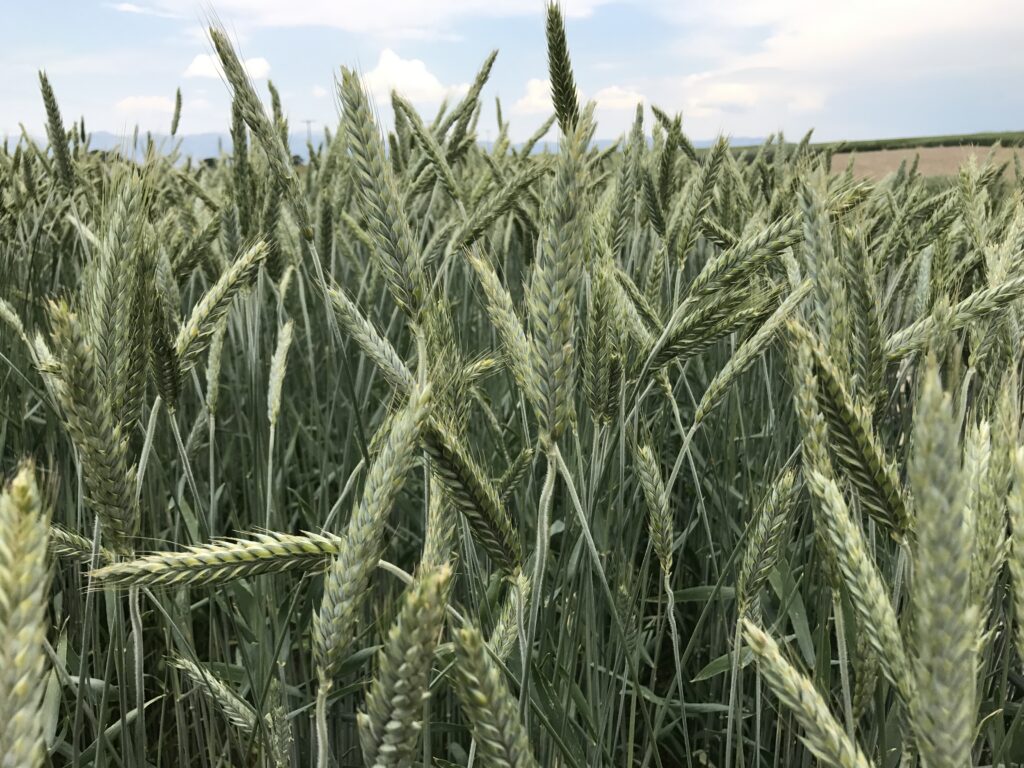
Pastures are already burning up across parts of the southern U.S. Wheat is rated poor in west Texas. Forage buyers are already stocking up. Here’s what growers further north should be paying attention to — and why it matters for your fall planting decisions.
Most years, the forage conversation in May is local. You’re watching your own fields, your own rainfall, your own first cutting. But every so often, conditions in one part of the country tell you something important about what’s coming for the rest of it. This is one of those years.
Drought across parts of the southern Plains and into west Texas has put pastures, hay ground, and small grains under serious pressure heading into summer. That’s hard on the operations dealing with it directly. It’s also a signal worth reading if you’re north of that footprint and thinking about your own fall forage program.
What’s Actually Happening Down South
The picture coming out of the southern Plains is not subtle. Pastures in parts of west Texas are already done for the season. Wheat that was supposed to provide grazing is rated poor across wide areas. Hay ground is producing well below normal. And the longer the dry stretch runs, the deeper the regional forage hole gets.
Forage suppliers are already responding. Inventory buyers are stepping into the market early and aggressively, locking up triticale, rye, alfalfa, and other small grains in anticipation of a strong fall demand cycle. When wholesale buyers move this far ahead of the planting window, they’re telling you something: they expect the squeeze to be real.
Why It Matters North of the Drought Line
If your operation isn’t in the affected region, you might be tempted to file this as someone else’s problem. That’s a mistake — for two reasons.
Forage prices are a regional market, not a local one
Hay and forage move. They always have. When the south runs short heading into fall, demand pulls inventory north, and prices rise across a much larger footprint than just the drought zone. Even operations sitting on full silos can feel the effect when their neighbors start bidding for purchased feed.
Seed availability tightens before planting decisions get made
When forage demand signals firm up early — like they are now — seed buyers respond by booking earlier, in larger quantities, and across more acres. That tightens supply for everyone planting fall triticale, rye, and small grain mixes, regardless of where you farm. The growers who wait until August to commit to a variety often find their first choice is already gone.
What to Watch For Heading Into Summer
A few signals worth tracking over the next 60 to 90 days:
- Drought monitor updates across the southern Plains and Corn Belt fringes. Improvement is possible, but the trend matters more than any single week.
- First cutting alfalfa yields in the upper Midwest. A weak first cutting compounds tight inventories regardless of what happens further south.
- Hay market price reports through your state’s department of agriculture or extension service. These often move before the broader news catches up.
- Custom harvester scheduling and forage transport rates. Both tend to firm up fast when regional demand is shifting.
- Cattle movement out of the southern Plains. Sustained culling and feedlot placements out of stressed regions tell you producers are already adjusting — and that has ripple effects on feed demand patterns into winter.
How to Use This Information on Your Operation
Reading the market early gives you options. Here are a few worth considering before the planting window gets close:
Lock in your seed plan now
If you’re planning to plant fall triticale, rye, or any small grain forage this year, the conversation with your dealer should happen well before harvest. Variety availability tightens fast in years when demand is moving early, and waiting costs you both selection and pricing leverage.
Reassess your acres
In a tighter forage year, every acre of high-quality winter annual you can establish is worth more than it would be in a normal year. Look at fields you might not have considered for triticale in the past — particularly acres coming out of corn silage with adequate planting time — and run the numbers.
Talk to your nutritionist early
If you’re a livestock producer, the worst position to be in this fall is realizing in October that you’re short and trying to source forage in a tight market. A short conversation now about projected feed needs versus inventory can put you ahead of the operations that wait.
Don’t overreact
It’s also worth saying clearly: drought conditions in one region don’t guarantee a national forage crisis. Markets can shift, weather can break, and demand signals can soften. The point isn’t to panic — it’s to plan with the information you have rather than assume the season ahead looks like the last one.
TriCal Tip: Forage market shifts almost always show up in seed availability before they show up in feed prices. If you’re seeing your dealer reference tighter supply or earlier-than-normal booking, that’s the signal to lock in your TriCal product selection now — not in August.
The Bottom Line
A dry summer in one part of the country has a way of becoming a fall forage story for everyone. The growers who pay attention to the early signals — drought reports, hay market movement, seed availability — give themselves more options when the planting window opens. The ones who don’t tend to find out their first choice of variety is gone, or that the purchased feed they were planning on costs more than they budgeted.
This is one of those years to be paying attention. Talk to your TriCal dealer now. Walk through your fall forage plan. And make sure you’re reading the same signals the market is already pricing in.