How do you secure forage production when water availability is uncertain?
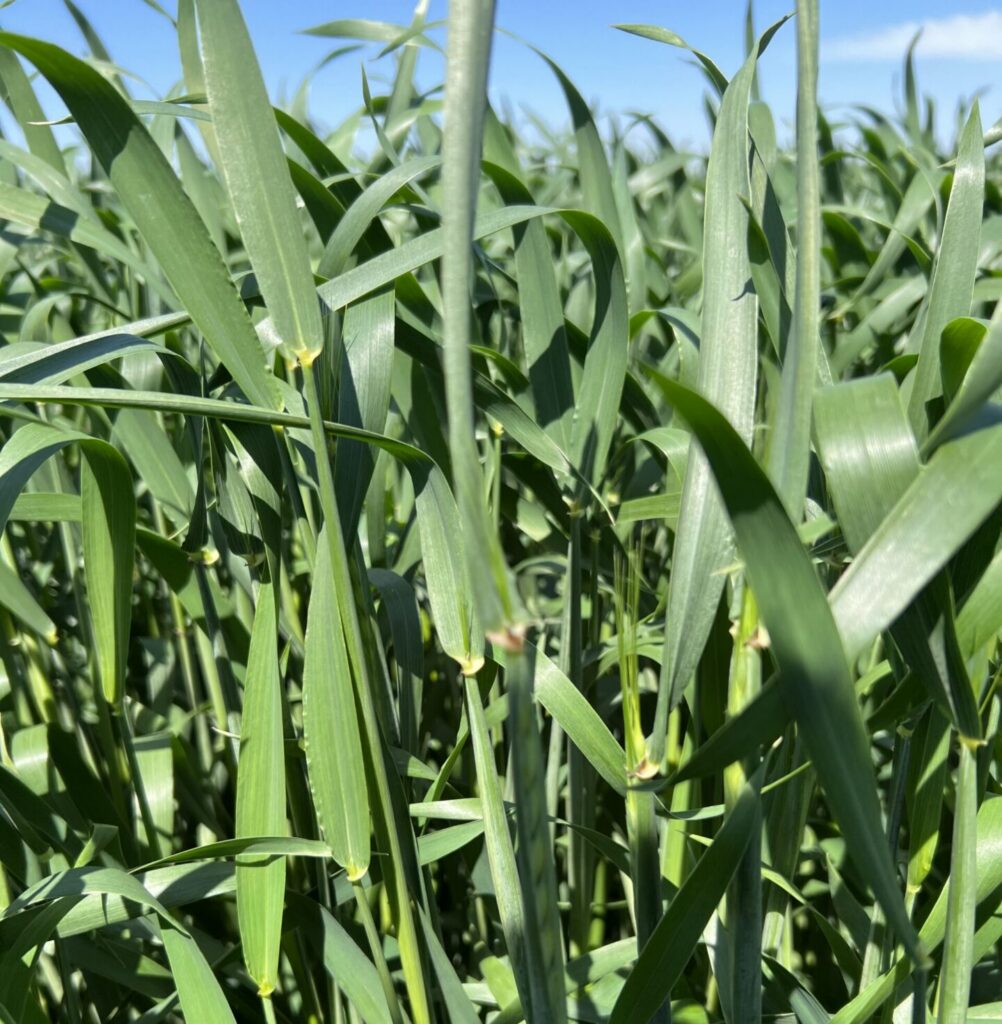
With snowpack variability and tightening irrigation allocations, many forage producers are exploring alternative crops that maintain yield while reducing water demand. One option gaining renewed attention is spring triticale, a cereal hybrid bred specifically for forage production.
While corn silage remains a cornerstone crop for dairy and livestock systems, spring triticale can offer advantages in water efficiency, flexibility, and drought resilience—especially in seasons where water timing becomes unpredictable.
Why Drought Years Change Crop Decisions
In years with water concerns, growers typically prioritize three things:
- Water efficiency
- Risk management
- Harvest flexibility
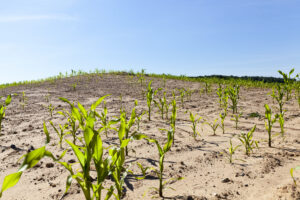
Corn silage delivers tremendous yield potential, but it is also one of the highest water-demanding forage crops in many rotations.
Triticale, by comparison, is a cool-season cereal that can produce forage using significantly less irrigation.
Research shows forage triticale may require up to 45% less water than corn and in some systems can produce forage using as little as 8–16 inches of water per acre depending on harvest timing.
For growers facing limited irrigation or uncertain water allocations, that difference can be significant.
Water Efficiency and Drought Tolerance
Triticale is a hybrid of wheat and rye, combining wheat’s feed quality with rye’s hardiness and drought tolerance.
This hybrid root system allows triticale to:
- Access soil moisture efficiently
- Maintain growth under moderate drought stress
- Produce stable forage yields in semi-arid environments
Studies have shown triticale often outperforms wheat and other cereal grains under drought conditions due to superior water-use efficiency and stress tolerance.
That resilience is why triticale continues to expand in livestock forage systems across semi-arid regions.
Comparing Forage Options in Dry Conditions
Corn Silage
Pros
- Highest single-harvest tonnage
- Excellent energy content
- Dairy ration staple
Challenges in drought years
- High irrigation demand
- Sensitive to water stress during pollination
- Higher input costs
Spring Triticale
Pros
- Lower water requirement
- Early-season growth when moisture is available
- Flexible planting and harvest windows
- Reliable forage tonnage
Challenges
- Lower starch than corn silage
- Usually used as part of a forage system rather than a single crop solution
Triticale often stands out because it was bred specifically for forage production
Research and extension trials frequently show triticale to be one of the highest-yielding cereal forages, particularly under limited water availability.
Compared to oats, wheat, or barley, triticale can produce greater forage biomass and improved digestibility in many systems.
A Strategic Role in Forage Systems
Spring triticale is rarely meant to replace corn entirely.
Instead, it strengthens forage systems by:
- Filling spring forage gaps
- Reducing irrigation pressure
- Providing insurance when planting windows shift
- Supporting double-crop forage systems
Many producers use triticale as part of a two-crop forage strategy, producing early forage followed by corn silage or another summer crop.
This approach can increase total annual forage production per acre and reduce the risk of a single crop failure.
When Spring Triticale Makes the Most Sense
- Irrigation water is limited or uncertain
- Growers want early forage for dairy rations
- Corn planting is delayed due to weather
- Operations want to spread harvest workload
- Forage inventory security is a priority